The Pokémon franchise turns 30 this year, and it shows no signs of slowing down. With Pokémon Pokopia just launching to critical acclaim — currently holding an 89 on Metacritic, making it the highest-rated Pokémon game of all time, and Winds and Waves already announced for 2027, there’s never been a better time to look back at the games that made this franchise untouchable. Not every generation aged equally well, but these five? They still hit as hard as they did on day one.
Pokémon FireRed / LeafGreen (2004)
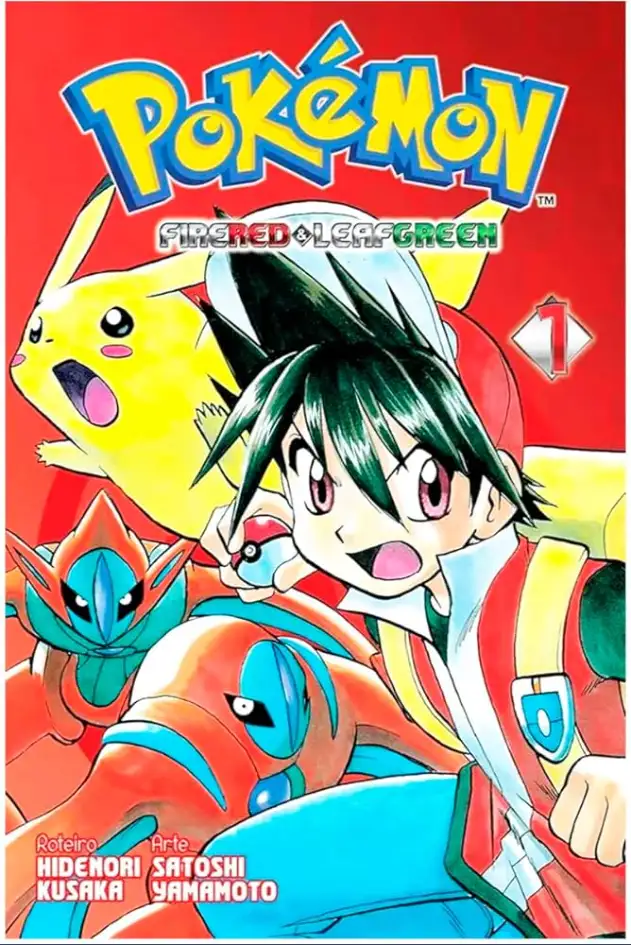

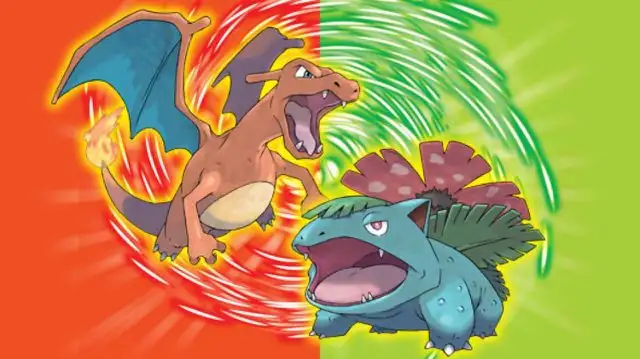
Before remakes became a yearly expectation, FireRed and LeafGreen showed everyone how it was done. Built on the Ruby and Sapphire engine, they took the original Kanto adventure and gave it everything it needed without bloating it. The starter trio of Charmander, Squirtle, and Bulbasaur remains one of the strongest opening choices in the entire series, and Blue is still one of the most satisfying rivals to beat. The games faithfully recreated the originals while adding new elements that brought the experience into the 21st century, and with their recent re-release on Switch, a whole new generation can find out what the fuss was about.
Pokémon Platinum (2009)
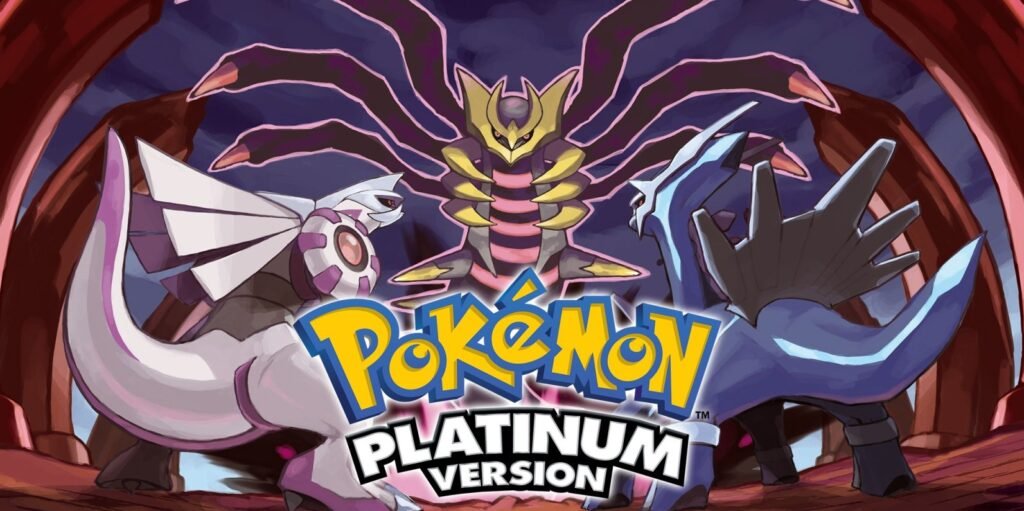
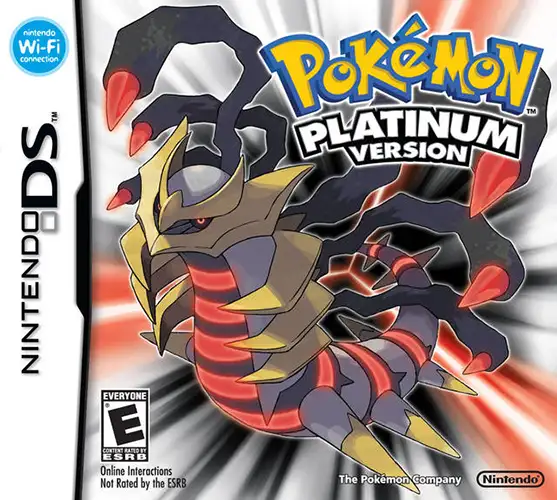

Diamond and Pearl were good. Platinum was better, and it’s not particularly close. The addition of Giratina as a central legendary, complete with its own alternate dimension dungeon woven directly into the main story, elevated what could have been a routine third-version release into something genuinely special. A Ghost/Dragon that shifts forms and pulls you into a warped reality isn’t just a cool concept, it’s the kind of creative risk that the series rarely takes today. The core gameplay loop from Diamond and Pearl remained solid, but Platinum gave it a reason to matter more.
Pokémon HeartGold / SoulSilver (2010)
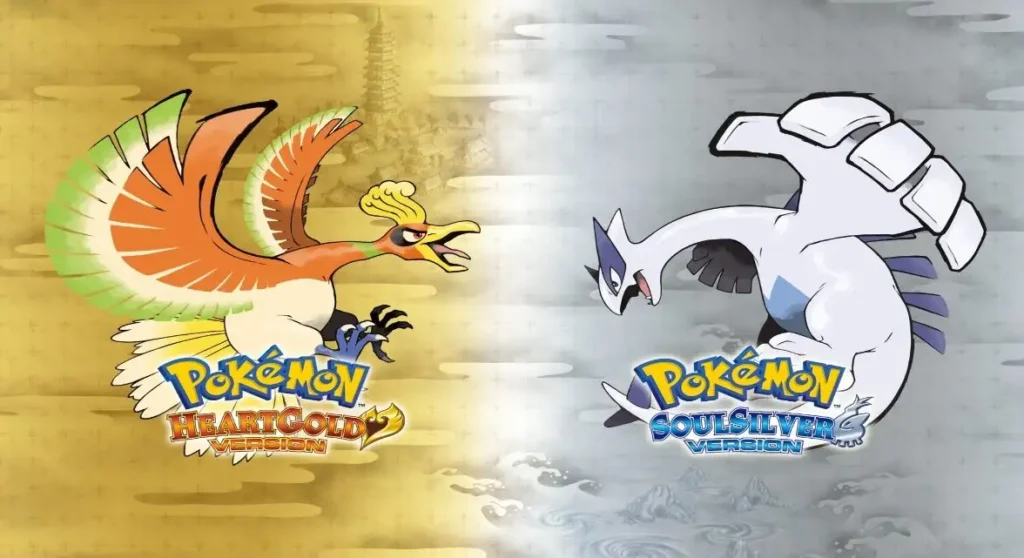
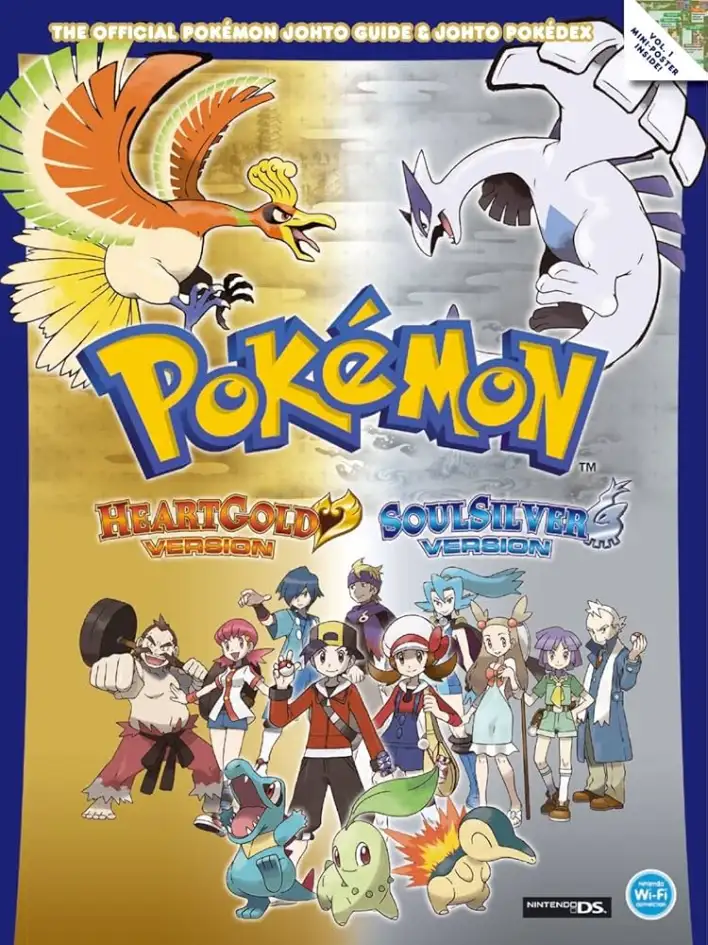
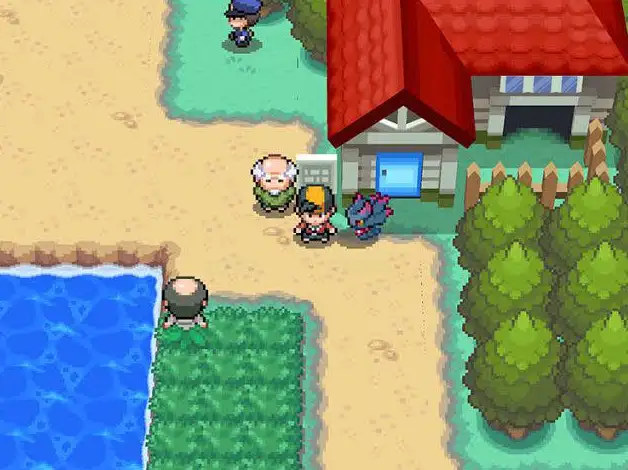
The argument for these being the best Pokémon games ever made is not a hard one to construct. Gold and Silver were already considered the high point of the mainline series, ambitious, densely packed, and generous in a way the franchise has since walked away from. HeartGold and SoulSilver preserved everything that made them great and added the Pokéwalker, a gimmick that somehow worked. But the real reason these games remain untouchable is the post-game: clearing Johto, crossing back into Kanto, dismantling a second set of Gym Leaders, and then facing Red on top of Mt. Silver, all included, no DLC, no season pass. Game Freak crammed essentially two full games into one cartridge, and it showed what was possible when the studio prioritized scope over speed.
Pokémon Black / White (2011)

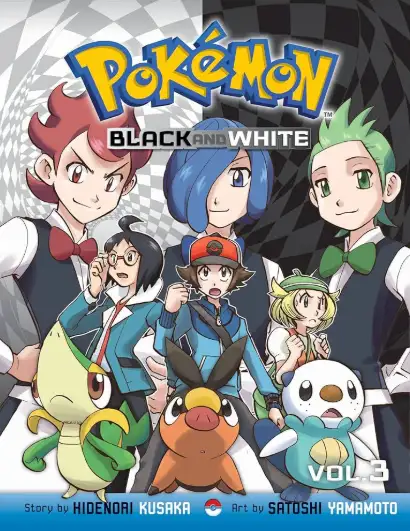
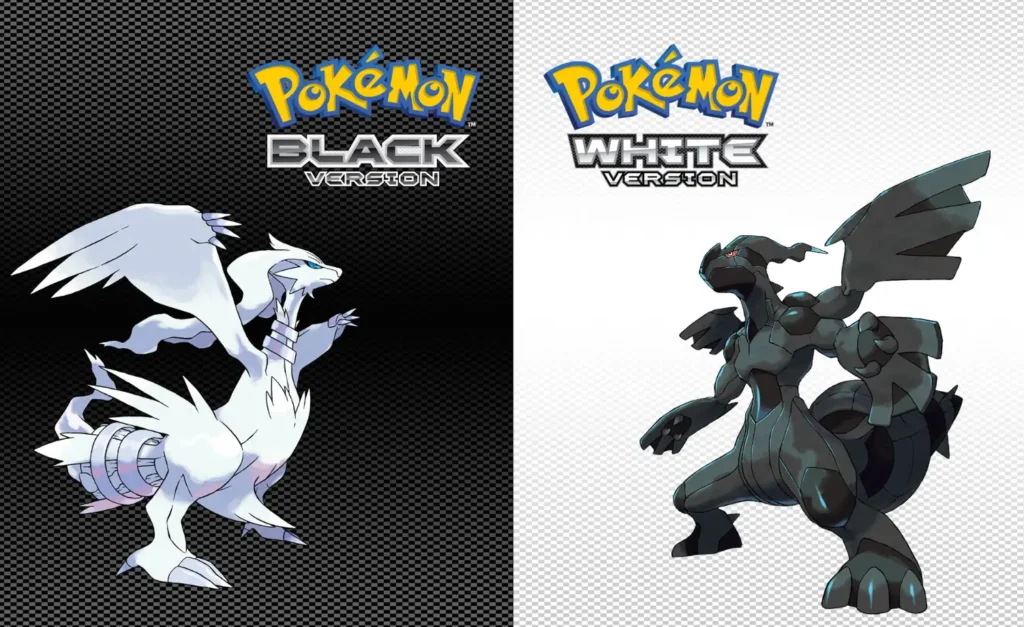
Black and White get more credit now than they did at launch, and they deserve every bit of it. The sprites were the best the 2D era ever produced, and the Unova region, built around New York City as its blueprint, gave the world a sense of place that most Pokémon settings never achieved. The starter lineup of Snivy, Tepig, and Oshawott is among the series’ strongest, and Team Plasma and N gave the story something most Pokémon games don’t bother with: actual stakes. The decision to introduce direct sequels instead of a third version also changed how the franchise handled continuity going forward, for better and worse.
Pokémon X / Y (2013)
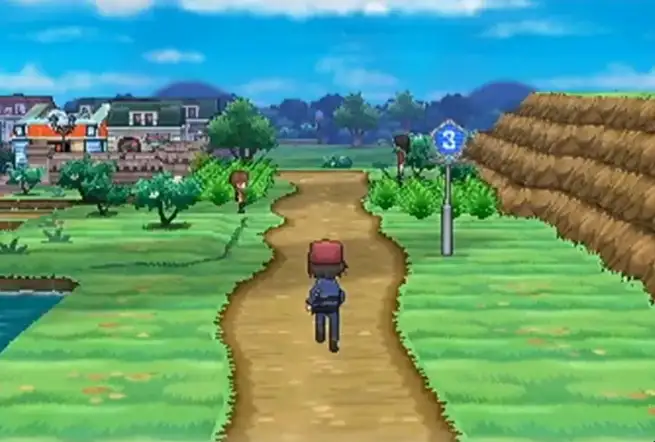
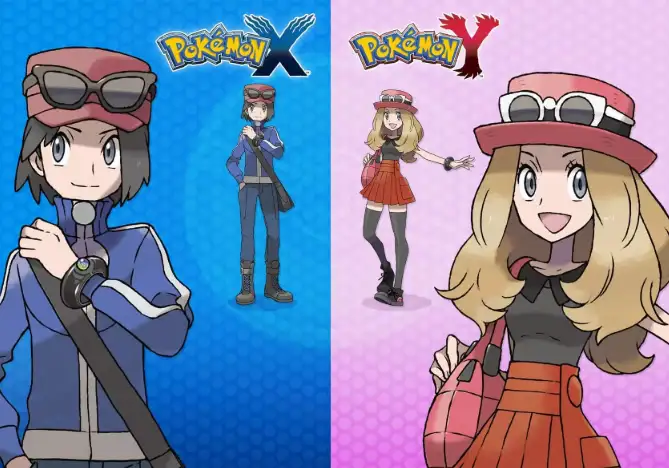
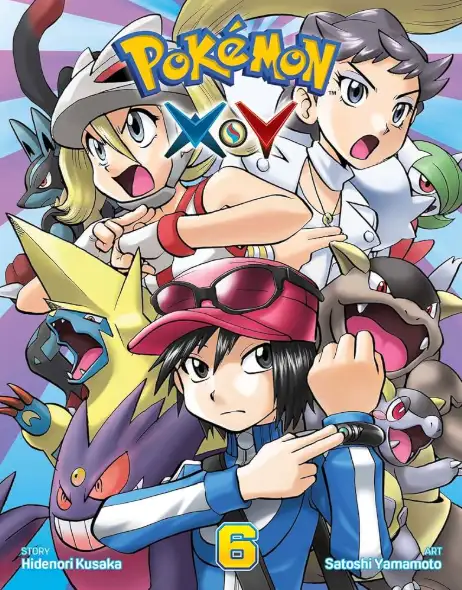
X and Y were the franchise’s biggest visual leap. Moving from a top-down sprite world to a fully 3D camera perspective wasn’t just a graphical upgrade, it changed how the world felt to move through. Mega Evolutions gave veteran players a reason to revisit their favorites, and the Kalos region had a visual polish that the series wouldn’t consistently match again for years. Over the past few years, titles like Sword and Shield and especially Scarlet and Violet have drawn criticism for feeling rushed, which makes X and Y’s level of polish look even more impressive in hindsight. They still play exceptionally well today.