So you cleared a patch, threw down a firepit, and thought you nailed it. Then winter, hounds, or a surprise Deerclops visit made you rethink that whole setup.
This post is your practical walk-through on how build the best base in Don’t Starve. No fluff: placement, layout, food loops, and defenses that actually matter when things go sideways.
I play messy, then tidy up my base once I know the map. If that sounds like you, these tips will turn your camp from “starter chaos” into a sustainable hub without turning the early game into a chore.
Pick the Right Spot
Location beats clever builds if you plan to survive long term. Aim to settle on the edge of biomes so you can access multiple resource pools quickly. Being near renewable things like rabbit holes, berry bushes, and beefalo has bigger long term impact than being next to a one-off rock patch.
Some specific placement rules I use: avoid swamp interiors early, stay just off rocky ground to farm nearby, and keep a wormhole or road in reach for fast travel. If you base near beefalo, respect their mating season and keep a little distance to avoid accidental aggro.
Layout and Defensive Basics
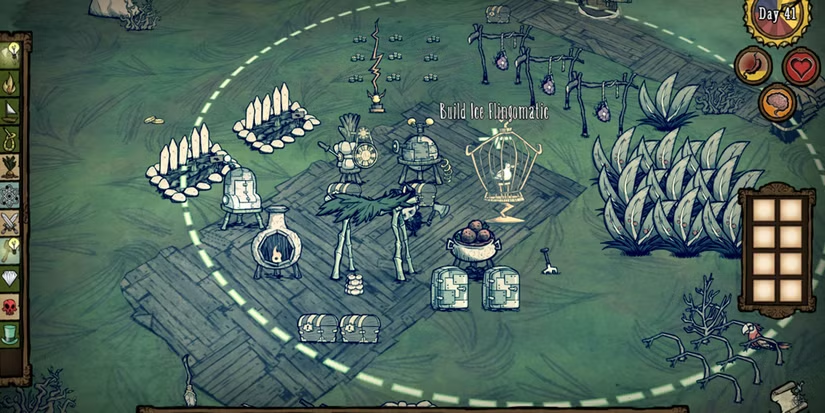
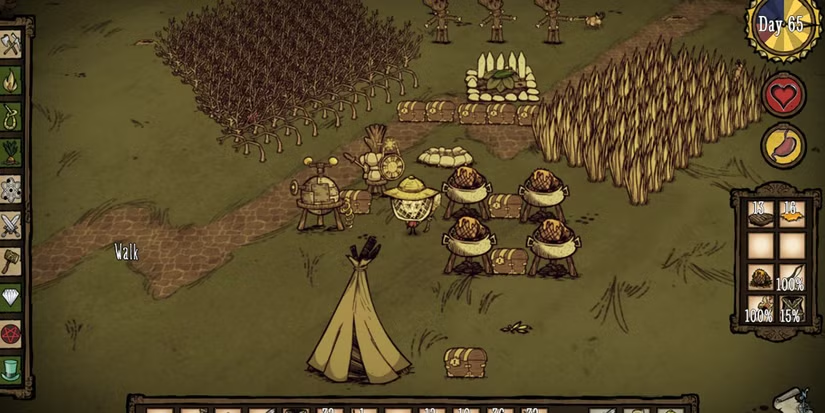
Design your camp around a centralized firepit and build outward in rings. Put your Science Machine and Alchemy Engine within comfortable range so you can prototype without sprinting across camp. Think of the base as work zones: crafting, food, storage, and animal management.
- Fire safety: spread farms and trees in lines or blocks so one wild fire does not consume everything.
- Use walls and tooth traps to funnel mobs and protect key structures.
- Place Lightning Rods to protect chests and important gear from strikes.
Useful tools to bookmark
If you need to check how something works in detail, the Science Machine and the Crock Pot pages are must-reads. Also learn beefalo behavior if you want a steady manure and meat source via Beefalo.
Food and Sustainability
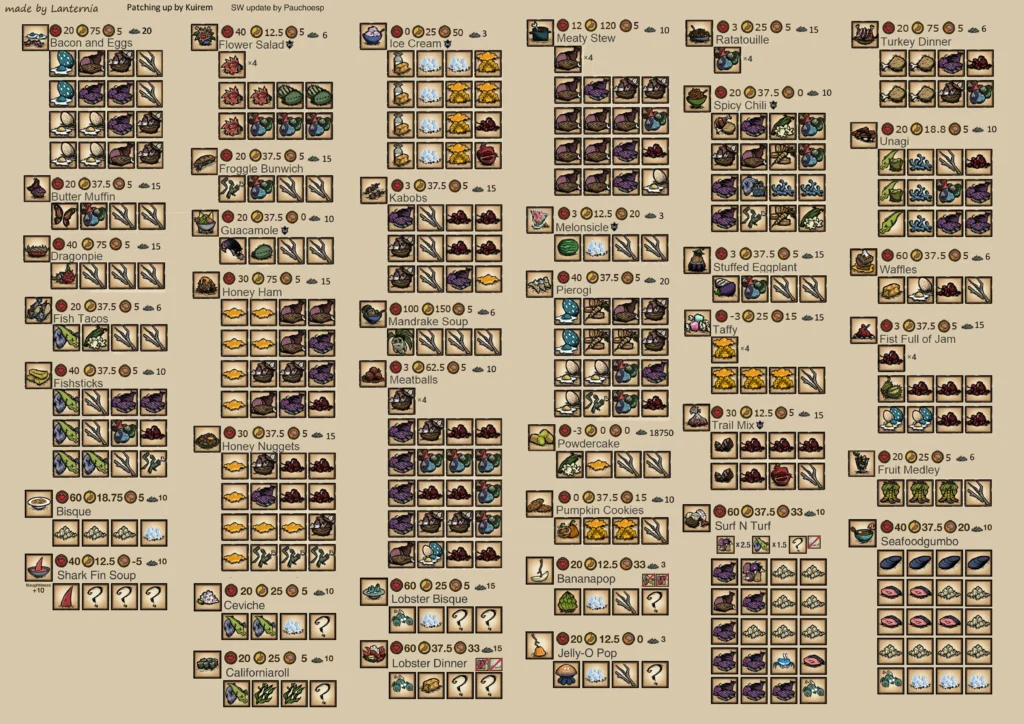
Food is the heartbeat of your base. Early on, rabbit traps and berry farms keep you alive; midgame, a Crock Pot turns odd scraps into reliable meals. Set up drying racks and an icebox near your kitchen to stabilize your food economy.
- Passive food: place traps on rabbit holes and stagger harvests to avoid despawning yields.
- Pigs and spider farms are messy but can be turned into renewable meat with a little micromanagement.
- Always have a backup food loop for winter and wet seasons so you do not scramble when crops stop producing.
Stay Organized
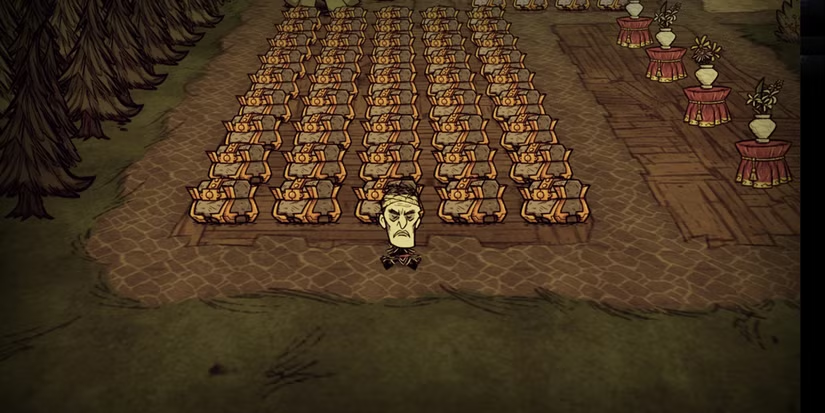
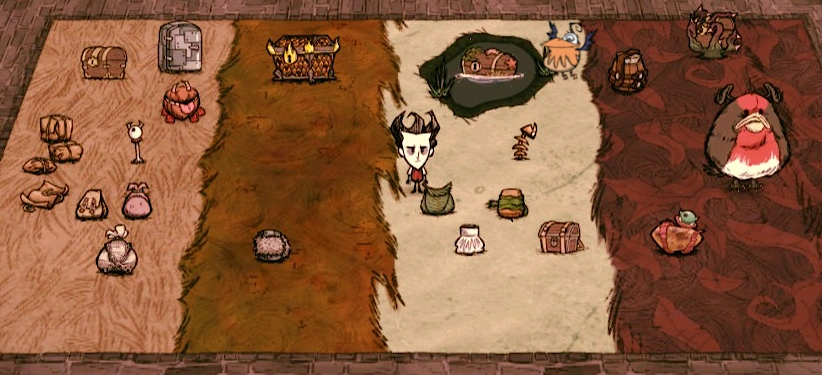
This tip can be tricky for some players. Don’t Starve Together always gives you a ton to do, and since you’re constantly gathering resources, clutter builds up fast. Dropping items on the ground or dumping everything into a random chest might feel convenient, but it’ll hurt you later. Try to stay organized: store similar items together in nearby chests, and keep food in your Icebox.
Advanced Tips and Quality of Life
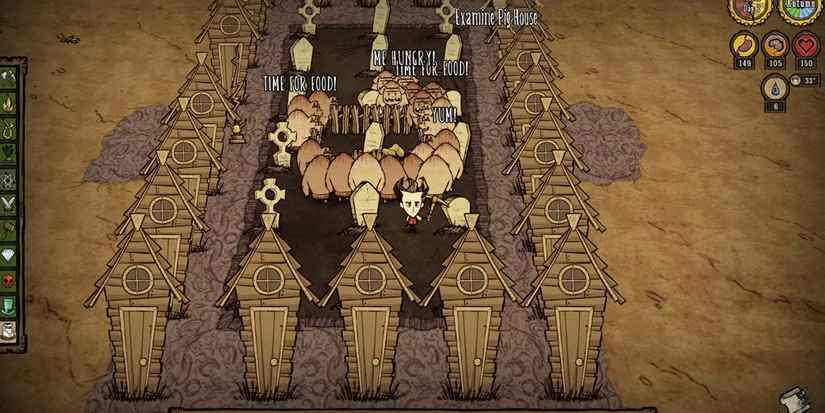
Once your core systems are running, optimize. Move high-value structures like Ice Box and Ice Flingomatic carefully since deconstructing can be costly. Make small outposts near nonrelocatable resources like reeds or cacti instead of hauling everything to your main base.
Keep one or two escape routes and a secondary fire source. I also recommend planning a storage layout where similar items live together so looting and restocking is less tedious during raids.